

What heat and humidity do to your skin
Humid heat and dry heat do opposite things to your skin. Here is what is happening in each, the ingredients that help and how to use them.
Hot weather is not one condition. In humid heat, skin makes more oil and sweat sits on the surface. In dry heat and air conditioning, water leaves the skin faster than it can be replaced. Most of us treat both the same way, which is why a routine that felt right a month ago can suddenly feel wrong.
Once you know which one you are dealing with, the fix is simple. It is also possible to have both in one day: a humid morning outside, then eight hours in an air-conditioned office.
Oily skin and hydrated skin are not the same thing. Skin can be shiny on the surface and short of water underneath.
What heat does to your skin
The outer layer of your skin works like a brick wall. The skin cells are the bricks. The mortar between them is made of lipids: ceramides, cholesterol and fatty acids. That mortar is your skin barrier, and its main job is keeping water in.
Water moves out through that barrier all day. How fast depends on the air around you. In dry air it leaves quickly. In humid air it barely leaves at all.
Heat adds a second effect. As skin warms up, the oil glands make more oil and you sweat more. In humid air that sweat cannot evaporate, so oil, sweat and the day's products sit together on the surface.

The common thread is the barrier. In both climates, skin does best when it has plenty of water and the lipids to keep it there.
In humid heat: when skin feels sticky or congested
The instinct in humidity is to strip everything back. That usually backfires, because skin that is short of water tends to look duller and feel oilier. What it needs is a proper cleanse, then water and barrier lipids in textures that sink in.
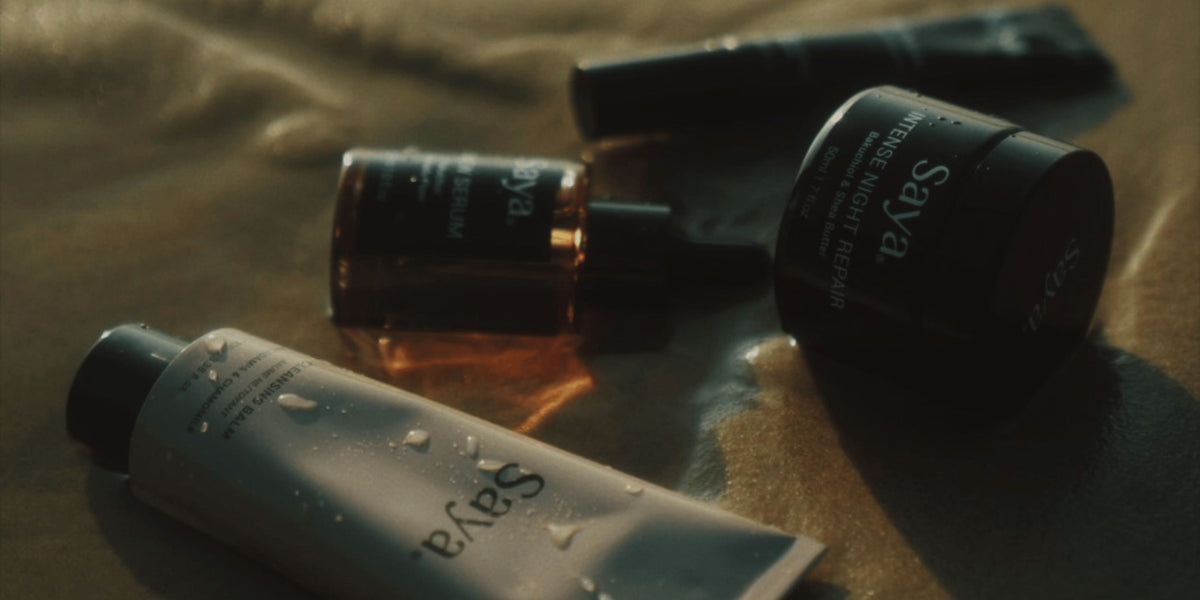
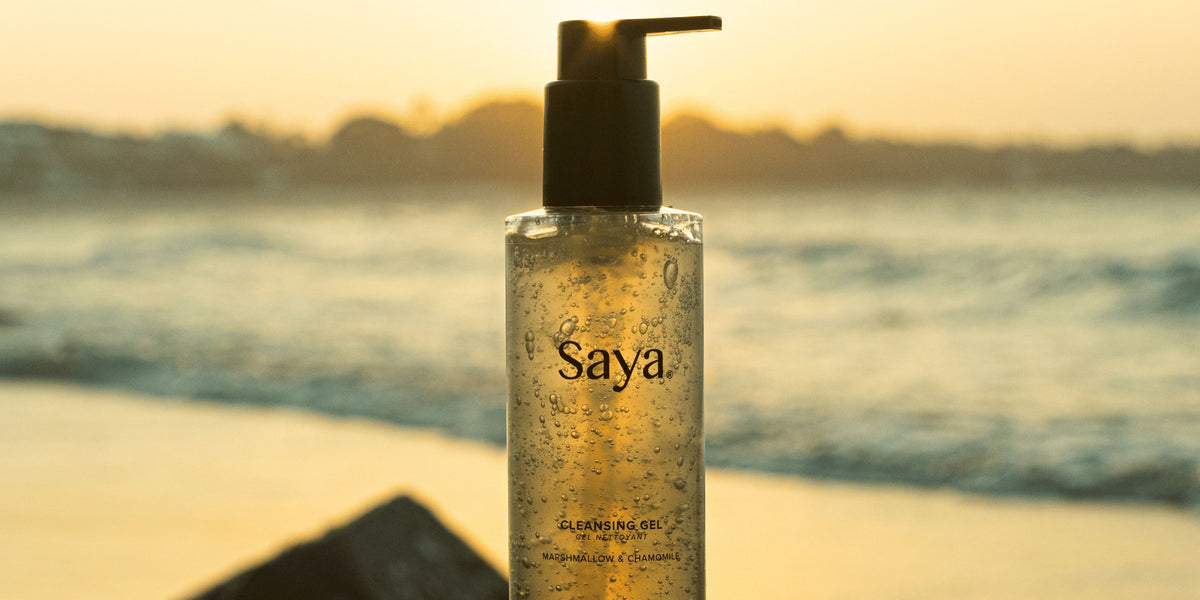
Cleanse in two steps at night. Oil, sweat and the products you wore all day are mostly oil-based, and oil dissolves oil. Massage the Cleansing Balm over dry skin first to lift them. Follow with the Cleansing Gel to rinse everything away.
Hydrate with humectants. Hyaluronic acid and panthenol draw water into the upper layers of the skin. They work especially well in humid air, because there is plenty of moisture around for them to hold. A few sprays of the Rose Hydrating Mist before moisturiser gives them water to work with.
Keep the barrier fed. Ceramides are the same lipids your barrier is built from, so they suit skin in any climate. Balance Moisture or Intense Moisture by day, whichever texture your skin is comfortable in, and Intense Night Repair cream at night.
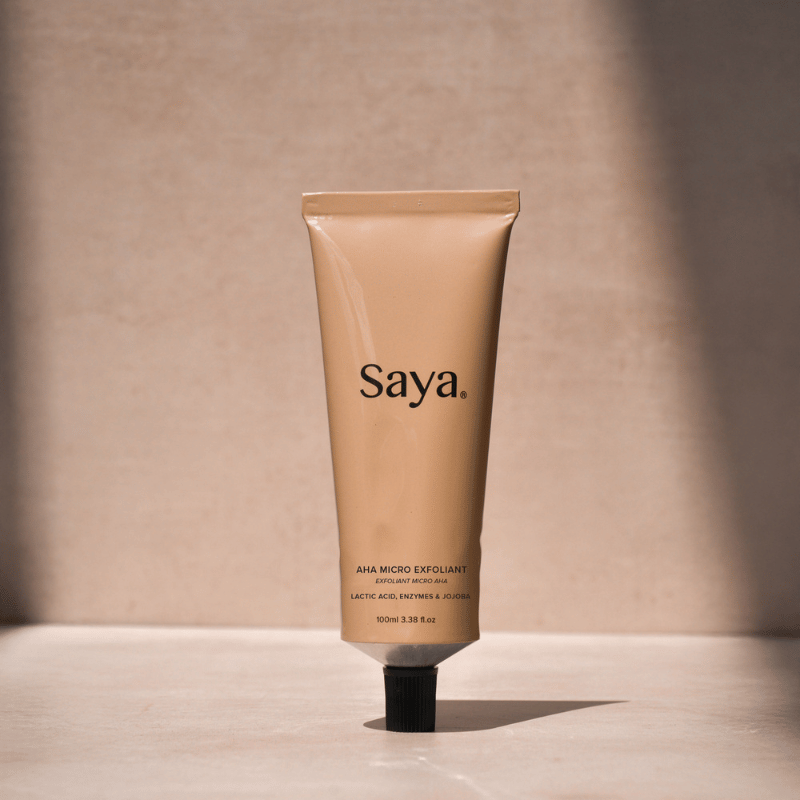
Exfoliate once or twice a week. Alpha hydroxy acids loosen the bonds holding dead cells on the surface, which is what makes skin look congested in the heat. The AHA Micro Exfoliant helps skin look smoother and clearer.
Humid heat routine: Cleansing Balm then Cleansing Gel at night. Rose Hydrating Mist. Balance Moisture or Intense Moisture by day, Intense Night Repair at night. AHA Micro Exfoliant once or twice a week.
In dry heat and air conditioning: when skin feels tight
Tightness soon after cleansing is the clearest sign that water is leaving your skin too fast. Dry inland heat, hot winds and long days in air conditioning all do it. Air conditioning cools a room by pulling moisture out of the air, and it takes moisture from your skin as well.
The answer is layering, and the order matters.
- Water first. Mist the Rose Hydrating Mist over clean skin. Humectants like hyaluronic acid can only hold water that is there to hold, and in dry air there is very little.
- Oil second. Press a few drops of Renew Serum into skin while it is still damp. Plant oils rich in fatty acids sit over that water and slow it from evaporating. They also supply the fatty acids your barrier uses.
- Cream last. Finish with Intense Moisture, or Intense Night Repair at night. Ceramides top up the mortar between your skin cells so the water stays in for longer.
Two small habits help too. Keep showers warm rather than hot, because hot water washes away the skin's own oils. And keep the mist on your desk if you work in air conditioning, with a little moisturiser pressed over the top.
Dry heat routine: Rose Hydrating Mist, then Renew Serum pressed into damp skin, then Intense Moisture. Intense Night Repair at night.
When skin feels hot, flushed or sensitive
Heat widens the small blood vessels near the surface of the skin, which is what causes the flush. Skin in this state reacts more easily to things it normally handles well.
For a few days, put the AHA Micro Exfoliant aside and focus on water and barrier care. Cleanse with the Cleansing Balm, mist through the day with the Rose Hydrating Mist, and follow with your moisturiser. Bring exfoliation back once skin feels comfortable again.
When your face feels puffy in the morning
The same widened blood vessels let more fluid settle into the skin, and lying flat overnight lets it collect in the face. Gentle massage helps move it along.
Use the Gua Sha for a few minutes over Renew Serum, working from the centre of the face outwards and then down the sides of the neck. The stone needs slip to glide, so always use it over a serum or balm. On very warm mornings, use it over the Cleansing Balm before you rinse.
Gua Sha tip: keep the stone in the fridge. Cool stone on warm skin helps the face look more awake.
When your body feels dry
The skin on your shins and forearms has far fewer oil glands than your face, so it is usually the first place to feel dry heat.
Timing makes the biggest difference here. Smooth the Argan Body Oil over skin within a few minutes of showering, while it is still damp. Argan oil is rich in oleic and linoleic fatty acids and vitamin E, and applied to damp skin it holds that water in. On drier areas like shins, elbows and knees, follow with the Hand & Body Lotion.
Body routine: Argan Body Oil on damp skin straight after a shower. Hand & Body Lotion over the top on drier areas.
Hot weather skincare FAQs
Why does my skin get oilier in hot weather? Oil glands become more active as skin warms up, and you sweat more. In humid air, sweat cannot evaporate, so both sit on the surface.
Can oily skin be dehydrated? Yes. Oil and water are separate. Skin can make plenty of oil and still be short of water, which often shows up as shine with a tight or dull feeling underneath.
Why does my skin feel tight in air conditioning? Air conditioning removes moisture from the air, so water evaporates from the skin faster. Layer a mist, an oil serum such as Renew Serum, then a ceramide moisturiser to hold it in.
Should I still use a face oil when it is hot? Yes. Plant oils rich in fatty acids support the skin barrier in any weather. Press a few drops into damp skin so they absorb well.
What is the best way to cleanse after a hot, sweaty day? Use two steps. A cleansing balm dissolves oil and the day's products, then a gel cleanser rinses everything away.
How often should I exfoliate in hot weather? Once or twice a week suits most skin. If skin feels flushed or sensitive, pause for a few days and focus on hydration.
Choose the products for your climate


Leave a comment
All comments are moderated before being published.
This site is protected by hCaptcha and the hCaptcha Privacy Policy and Terms of Service apply.