

The Simple Subject of Cleansing, for Face, Body and Hair
If your skin feels tight after washing, your cleanser has just told you something. It is worth listening.
That squeaky, pulled-tight feeling was sold to us for decades as proof of clean. It isn't. It is the feeling of skin that has had its natural oils taken away along with the day. Clean skin feels soft and comfortable, as if nothing happened, except that the makeup, sweat and grime are gone.
Cleansing is the one step you do every single day, on your face, your body and your hair. That makes it more influential than almost anything else in your routine. Get it right and everything you put on afterwards works better. Get it wrong and you spend the rest of your routine trying to put back what the first step took.
Here is the simple version of how to get it right.
What is actually happening when skin feels tight
Think of the outer layer of your skin as a brick wall. Skin cells are the bricks. A blend of natural fats, mostly ceramides, cholesterol and fatty acids, is the mortar. That mortar is what keeps water in and irritants out.
Healthy skin also sits at a slightly acidic pH of around 5. Traditional bar soap sits closer to 9 or 10. Strong foaming agents such as Sodium Lauryl Sulfate, found in many everyday face washes and body washes, are very good at cleaning. They are so good they don't stop at dirt. They bind to the proteins in your skin and dissolve the mortar along with everything else.
Once the mortar is gone, water escapes. That is the tightness you feel. Keep doing it twice a day and the pattern shows up as flaking, redness, skin that reacts to things it never used to, or an oily T-zone as skin tries to replace what keeps being washed away.
None of this is your skin being difficult. It is your skin doing exactly what it is designed to do with what it has been given.
So the job of a cleanser is specific. Lift away what doesn't belong and leave behind what does. Oil, dirt, makeup and sweat go. Your lipids and your pH stay. Once you know that, you can judge any cleanser on the shelf by how your skin feels five minutes after you rinse.
Face, step one: the oil cleanse
Oil dissolves oil. Makeup, long-wear foundation and your own sebum are all oil-based, so a blend of plant oils loosens them without scrubbing and without harsh foaming agents. This is the principle behind our Cleansing Balm, and it is why people who have fought with their skin for years often find this is the step that changes things.
The balm starts firm in the tube, warms to an oil between your fingertips and turns to a light milk when you add water. That last step comes from a plant-derived emulsifier, so the oil rinses away clean instead of leaving a film.
What is doing the work:
- Shea Butter, Cocoa Butter and Macadamia Oil are rich in fatty acids, so they replenish as they cleanse. Macadamia is naturally high in palmitoleic acid, a fatty acid your own skin produces.
- Kakadu Plum Seed Oil, pressed from the seed of one of Australia's most prized native fruits, adds antioxidant support.
- Olive Oil Unsaponifiables are the part of olive oil that behaves most like your skin's own lipids, so the balm leaves skin feeling comfortable rather than coated.
- Vitamin E protects the oils in the formula and lends its antioxidant benefit to your skin.
- Decyl Glucoside, a coconut-derived cleanser, is among the mildest used in skincare and is what lets the balm rinse away.
- Chamomile, Lavender, Geranium and Ho Wood oils give it a soft, calming scent with nothing synthetic.
Use it on its own when you want a nourishing cleanse, or as the first half of a double cleanse.
Face, step two: the everyday wash
A good face wash does its job and then gets out of the way. Our Cleansing Gel is built on Aloe Vera juice rather than plain water, with plant-derived Glycerin to draw moisture into skin while you cleanse.
Instead of sulfates, it uses cleansers made from plant sugars and coconut. Every cleanser works the same way: one end of each molecule is drawn to water and the other to oil, so it lifts away oil, dirt and the day and lets water carry them off. The difference is how hard it pulls. The ones in this gel are among the gentlest used in skincare. Sodium Cocoyl Glutamate, an amino acid-based cleanser, adds a soft foam, a touch of willow bark-derived Salicylic Acid helps keep pores looking clear, and Citric Acid sets the pH to suit skin.
What is doing the work:
- Marshmallow Root is naturally rich in mucilage, a soft gel-like substance that helps soothe skin that reacts easily.
- Chamomile, as both an extract and an oil, helps calm and settle the complexion.
- Kakadu Plum, Burdekin Plum and Illawarra Plum are three native Australian fruits valued for their antioxidants, with Kakadu Plum among the richest natural sources of vitamin C.
- Frankincense, Bitter Orange Flower and Geranium oils give the gel its fresh, grounding scent.
It is the cleanser for every morning, and the second step at night after the balm when skin needs a deeper clean.
Your body deserves the same standard
Most of us are careful about what we put on our face and then wash our body with whatever was on special. It is worth rethinking. The skin on your body has the same brick-and-mortar barrier as your face, and in places like shins, elbows and the backs of your hands it has far fewer oil glands to replace what gets washed away. Add a hot shower every day and a soap-based body wash, and it is no mystery why so many people live with dry, itchy, tight-feeling skin they assume is just how they are made.
Our Lime and Lemongrass Body Wash is built on the same thinking as the Cleansing Gel. Aloe Vera juice sits at the heart of the formula with plant-derived Glycerin to draw in moisture. The cleansing comes from a blend of coconut-derived cleansers, including Sodium Cocoamphoacetate, Lauryl Glucoside and Sodium Cocoyl Glutamate, chosen because they foam generously and rinse clean without pulling the mortar out of your skin. Glyceryl Oleate, a plant-derived emollient, stays behind to help prevent that after-shower dryness.
Then there is the scent, which is the part people write to us about:
- Lemongrass, Lime and Peppermint make a shower feel like a reset. Bright, fresh and a little bit cooling.
- Lemon Myrtle and Desert Lime are two Australian natives that give the blend its distinctly local character.
- Kakadu Plum, Burdekin Plum and Illawarra Plum bring the same native antioxidant trio you will find in the face gel.
All of it comes from essential oils and plant extracts. There is no synthetic fragrance anywhere in the bottle.
Your scalp is skin too
It is easy to forget, but your scalp is skin. It has the same brick-and-mortar barrier as your face, and it is home to more oil glands than almost anywhere else on the body. A harsh shampoo can trap it in the same cycle as an over-stripped T-zone: washed squeaky clean, then oilier by the next day, then washed again. Your lengths have no oil glands at all and rely on what travels down from the roots, so a shampoo that strips the scalp leaves the ends dry and brittle too.
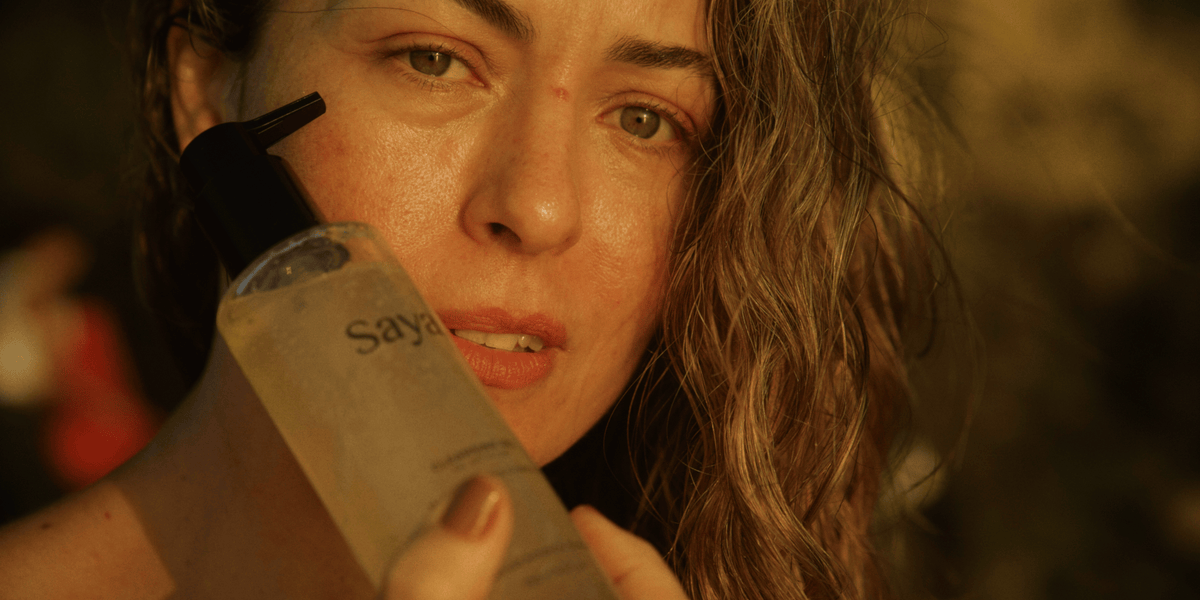
Our Argan Shampoo brings the same thinking to your hair. Like our face and body cleansers, it is built on Aloe Vera juice rather than plain water, with plant-derived Glycerin and Betaine to help hold onto hydration. Instead of sulfates, it uses a blend of mild coconut-derived cleansers, including Sodium Lauroyl Methyl Isethionate, Sodium Methyl Cocoyl Taurate and Lauryl Glucoside, chosen because they lather well and lift away oil, product and buildup while leaving the scalp comfortable. A conditioning agent derived from guar gum helps the lengths feel smooth and easy to comb through.
What is doing the work:
- Argan Oil, pressed from the kernels of the Moroccan argan tree, is rich in fatty acids and vitamin E to help nourish and soften the lengths.
- Shea Butter and Macadamia Oil bring the same replenishing fatty acids you will find in our Cleansing Balm.
- Carrot Seed Oil and Vitamin E add antioxidant support.
- Banksia Flower, Quandong and Kangaroo Apple are three Australian natives that give the formula its local character.
- Geranium, Bergamot, Ylang Ylang and Vetiver oils give it a warm, softly floral scent with an earthy finish, with nothing synthetic.
How to cleanse, face, body and hair
Morning, face. One cleanse is all you need. Work a small amount of Cleansing Gel over damp skin, rinse with lukewarm water and pat dry.
Evening, face. This is when a double cleanse earns its place, especially after makeup or a long day. The idea comes from Japanese and Korean skincare: an oil cleanse first, a water-based cleanse second, so each removes a different kind of buildup and neither has to work too hard.
- Massage a small amount of Cleansing Balm onto dry skin for 30 to 60 seconds.
- Add a splash of lukewarm water, watch it turn milky, then rinse.
- Work a small amount of Cleansing Gel over damp skin and rinse.
- Pat dry and follow with your mist, serum and moisturiser while skin is still slightly damp.
Body. Keep the water warm rather than hot. Hot water strips lipids faster than any cleanser. Use a small amount of Lime and Lemongrass Body Wash in your hands or on a soft cloth, let the foam do the work rather than scrubbing, and rinse. Pat dry and apply Argan Body Oil or your body lotion to damp skin to seal moisture in.
Hair. Wet your hair thoroughly with warm water and work a small amount of Argan Shampoo into your scalp with your fingertips rather than your nails. Focus on the roots, where oil and buildup sit. The lather that runs through your lengths as you rinse is all the ends need. Follow with the Argan Conditioner to complete the ritual.
Three small habits make the biggest difference across all of it: lukewarm water, a light hand and moisturising while skin is still damp.
Cleansing FAQs
Is it normal for skin to feel tight after washing? Common, but not ideal. Tightness usually means your cleanser has removed some of the lipids that keep skin hydrated. A gentle, sulfate-free cleanser should leave skin feeling comfortable, not pulled.
Do I need to double cleanse every day? No. A double cleanse is most useful in the evening after makeup or a long day. In the morning, a single cleanse with the Cleansing Gel is enough.
Can oily skin use a cleansing balm? Yes, and it is often the skin type that benefits most. Oil dissolves oil, so a balm lifts away excess sebum without stripping. Over-stripped skin tends to respond by producing more oil, not less.
Can I use the Body Wash on my face, or the Cleansing Gel on my body? The Cleansing Gel is formulated for facial skin and is lovely on the body too, though the Body Wash is the more generous choice for a daily shower. The Body Wash is best kept for the neck down, as its brighter essential oils are built for the body.
Why do my shins and arms still feel dry even with a gentle wash? Those areas have very few oil glands, so they rely on what you put back. Keep showers warm rather than hot and apply body oil or lotion to damp skin straight after.
How often should I wash my hair? It depends on your hair and scalp, but a gentle shampoo lets you wash as often as you need without stripping. If your scalp turns oily quickly after washing, it may be responding to a harsh shampoo rather than asking to be washed more.
Is a sulfate-free cleanser better for sensitive skin? Many people with sensitive or reactive skin find sulfate-free cleansers far more comfortable, as strong sulfates such as SLS are known to disrupt the skin barrier.
Clean, not stripped
The feedback we hear most often is some version of the same thing: clean, but never stripped. That is the whole brief, for the face, the body and the hair.
You don't need to accept tight skin as the price of being clean. Pay attention to how your skin feels five minutes after you rinse, choose cleansers that leave the good things behind, and the rest of your routine has something to work with. Created in Noosa, our cleansers are vegan, cruelty-free and made in Australia.
Read more
Leave a comment
All comments are moderated before being published.
This site is protected by hCaptcha and the hCaptcha Privacy Policy and Terms of Service apply.